Tire Repair & Replacement in Angola, IN
Tires are your vehicle’s only contact with the road, so when you have a flat, vibration, slow leak, tire pressure warning, or worn tread, it is more than an inconvenience. Tire condition affects traction, braking, ride quality, handling, and safety.
At Lonsbury Garage in Angola, Indiana, we provide professional tire repair and replacement services including puncture inspections, flat tire repair, slow leak diagnosis, new tire replacement, mounting and balancing, TPMS diagnosis, and tire wear checks.
We help you choose the right tire for your driving needs and make sure it is installed correctly, inflated properly, balanced smoothly, and protected from premature wear when alignment or suspension concerns are present.
Tire Services We Offer
We diagnose and repair flat tires, slow leaks, TPMS lights, vibration, tire wear concerns, and help with new tire replacement, mounting, and balancing.
Flat Tire Inspection
We locate leaks, inspect the tire condition, check puncture location, and determine whether the tire can be safely repaired.
Tire Repair
If the tire is repairable, we use a safe repair process and verify the tire holds pressure before returning it to service.
New Tire Replacement
We help match tire size, load rating, speed rating, driving style, and seasonal needs to the right tire option.
Mounting & Balancing
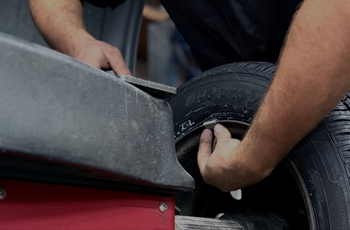
Proper mounting and computer balancing help reduce vibration, improve ride quality, and protect tire life.
TPMS Diagnosis
We check tire pressure, inspect for leaks, and diagnose TPMS sensor issues when the tire pressure light is on.
Tire Wear Checks
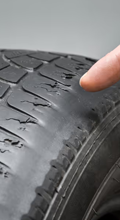
Uneven tire wear can point to alignment, suspension, tire pressure, balance, or driving condition concerns.
Common Tire Problems We Diagnose
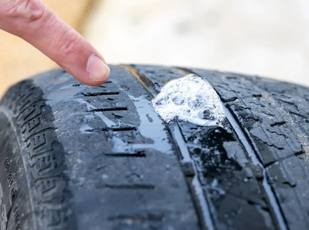
If you notice any of these tire concerns, schedule service so we can inspect the tire, wheel, pressure, TPMS system, and related chassis conditions.
Flat Tire Repair Done Safely
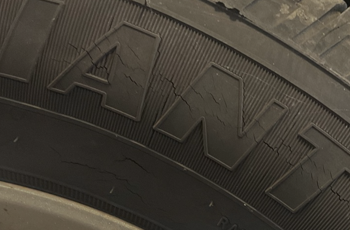
Not every puncture can be safely repaired. A tire may need replacement if the damage is in the sidewall or shoulder area, if the tire was driven while flat, if internal damage is present, if cords are showing, if there is a bulge, if there is severe cracking, or if tread depth is too low.
Our tire repair process focuses on safety and long-term reliability. We locate the leak, inspect for nails or screws, check the bead, valve stem, and wheel sealing surface, inspect the tire internally when appropriate, recommend repair or replacement based on puncture location and tire condition, re-inflate and verify pressure, and check balance if needed to prevent vibration.
If the tire is repairable, we will explain the repair. If replacement is the safer option, we will help you choose the best tire for your vehicle and driving needs.
New Tires, Mounting & Balancing
If replacement is the safer option, the right tire matters. We help you choose tires based on size, load rating, speed rating, seasonal needs, ride comfort, highway use, towing needs, winter traction, and overall value.
New tire service may include tire selection guidance, mounting using proper procedures for modern wheels, computer balancing to reduce vibration and improve ride quality, TPMS service and sensor evaluation as equipped, proper inflation to specification, and wheel torque to specification for safety and proper clamping.
New tires installed correctly can transform ride quality. They also need proper alignment, tire pressure, and suspension condition to wear evenly and last as long as possible.
TPMS Light Diagnosis & Sensor Service
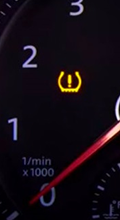
A TPMS light can indicate low pressure, a slow leak, temperature-related pressure change, or a sensor/battery issue. During colder Indiana weather, pressure can drop enough to turn the light on even when there is no puncture, but a slow leak should never be ignored.
We check pressures, inspect for punctures and leaks, evaluate valve stems, and diagnose sensor concerns when needed. If a sensor has failed or is not communicating, we can recommend the correct next step.
Keeping the TPMS system working helps protect tire life, fuel economy, handling, and safety.
Tire Service FAQs
Can you patch a tire that has a nail in it?
Often, yes, if the puncture is in the repairable tread area and the tire has no internal damage. We inspect the tire from the inside when appropriate to confirm the location and condition before recommending a repair.
Can a sidewall puncture be repaired?
In most cases, sidewall and shoulder area damage is not safely repairable. We inspect the tire and explain the safest replacement option if needed.
When should I replace my tires instead of repairing them?
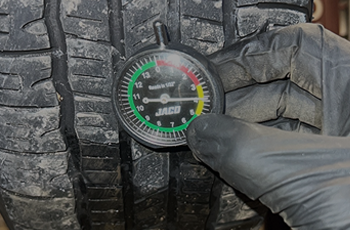
Replacement may be necessary if the puncture is in the sidewall or shoulder, the tire has internal damage, cords showing, severe cracking, bulges, dry rot, or low tread depth. We measure tread and inspect the tire to provide clear options.
Why is my tire pressure light on?
The TPMS light can be caused by low tire pressure, a puncture, a slow leak, temperature changes, or a failing TPMS sensor. We check pressures, inspect for leaks, and diagnose TPMS sensor issues when needed.
Do you mount and balance new tires?
Yes. We mount and balance tires properly and verify inflation to specification. If tire wear suggests an alignment or suspension issue, we recommend the next steps to protect your new tires.
Why does my car shake after getting tires?
Vibration may be caused by balance, wheel issues, tire defects, improper installation, or worn suspension components. We can diagnose the cause and correct it so the ride is smooth.
What causes uneven tire wear?
Uneven tire wear can come from alignment issues, worn shocks or struts, loose suspension or steering parts, poor balance, incorrect tire pressure, lack of rotation, or tire condition concerns.
How do I know if I need new tires?
Signs include low tread depth, cracking, dry rot, bulges, vibration, repeated pressure loss, exposed cords, poor traction, or tire age concerns. We inspect the tires and explain your options clearly.
Schedule Tire Repair or Replacement
Call us at (260) 665-5165 or request an appointment online. We will inspect your tires, explain repair versus replacement options, and help you drive away safely and confidently.