Warning Lights Need Verified Answers
When a warning light comes on or your vehicle starts acting up, guessing gets expensive fast. A code gives us a starting point, but it does not automatically prove which part failed.
At Lonsbury Garage in Angola, Indiana, we provide complete vehicle diagnostics across all major systems. We confirm the complaint, scan the right modules, review live data, perform targeted testing, and build a clear repair plan based on evidence.
Diagnostic Services We Offer
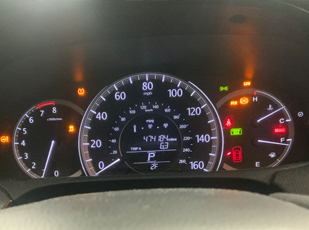
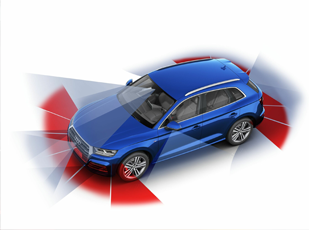
We diagnose warning lights, drivability problems, electrical faults, HVAC concerns, ABS/SRS issues, ADAS warnings, and communication problems.
Full Module Scan
We scan more than the engine computer to review codes, module status, freeze-frame data, and system communication.
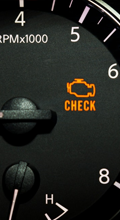
Check Engine & Drivability
Misfires, rough idle, stalling, poor fuel economy, and power loss are tested using scan data and mechanical checks.
ABS, Traction & Stability
We test wheel speed sensors, tone rings, wiring, brake control modules, and related low-voltage concerns.
Airbag / SRS Diagnostics
Airbag lights can involve pretensioners, occupancy sensors, clock springs, connectors, and module communication faults.
HVAC & Climate Control
No A/C, weak heat, blower issues, actuator faults, and electronic control problems are tested before repairs.
Network & Module Diagnostics
We diagnose U-codes, CAN/LIN communication faults, module dropouts, water intrusion, power feeds, and grounds.
Common Reasons to Schedule Diagnostics
Diagnostics can save time and money when symptoms are unclear, intermittent, or affecting multiple systems.

Our Diagnostic Process
Confirm the concern: We verify what the vehicle is doing, when it happens, and what systems are affected.
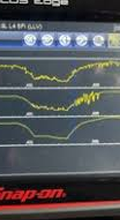
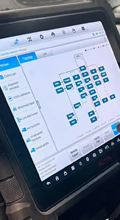
Scan and analyze: We perform a full module scan, review codes, freeze-frame data, live data, and shared system information.
Test the system: Depending on the concern, we may use voltage drop testing, pressure testing, smoke testing, road testing, commanded output tests, wiring checks, or mechanical verification.
Verify the repair: After repairs, we clear codes where appropriate, retest the system, and confirm the fault does not immediately return.
Vehicle Diagnostic FAQs
Do you just read codes?
No. Codes are a starting point. We confirm symptoms, review live data, run tests, and verify the root cause so you do not pay for guesses.
What does a diagnostic appointment include?
Depending on the concern, it may include a full module scan, live data review, road testing, electrical testing, mechanical checks, service information review, and post-repair verification.
Can low battery voltage cause multiple warning lights?
Yes. Low voltage, poor grounds, or charging problems can trigger multiple modules to set codes at once. We check system voltage and power/ground integrity early in the process.
Is a check engine light always the engine?
Not always. A check engine light can be triggered by emissions-related faults, fuel and air control issues, sensor circuits, network concerns, or transmission-related inputs.
Why do codes come back after I replace a part?
A code identifies a system or circuit that reported a problem, not always a failed part. Wiring issues, connector problems, vacuum leaks, low battery voltage, or an upstream failure can cause the same code.
Need Vehicle Diagnostics in Angola, IN?
Call us at (260) 665-5165 or request an appointment online. We will test first, confirm the cause, and recommend the right repair for your vehicle.