DPF Lights, Regen Issues, or Exhaust Warnings?
If your diesel has a DPF light, frequent regens, reduced power, exhaust odor, or aftertreatment-related codes, the right fix starts with diagnosis. A DPF warning can be caused by the filter itself, but it can also be triggered by sensors, exhaust leaks, EGR issues, turbo and boost problems, fuel system concerns, or operating conditions that prevent regeneration.
At Lonsbury Garage in Angola, Indiana, we diagnose DPF and diesel exhaust systems to find the cause before recommending parts. Our goal is to restore reliable performance, keep warning lights off, and prevent repeat failures.
DPF & Exhaust Services We Offer
We diagnose DPF warnings, failed regens, exhaust leaks, sensor faults, aftertreatment problems, and diesel drivability concerns.
DPF Diagnostics
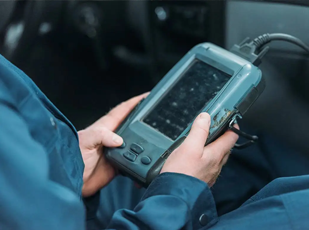
We review fault codes, soot load data, ash load indicators, regen history, and sensor data to determine why the DPF warning is on.
Regen Troubleshooting
We identify why regeneration will not complete or why it happens too often, then recommend the correct repair path.
Reduced Power / Limp Mode
Aftertreatment faults can reduce power. We test related exhaust, sensor, boost, EGR, and engine performance systems.
Exhaust Leak Repair
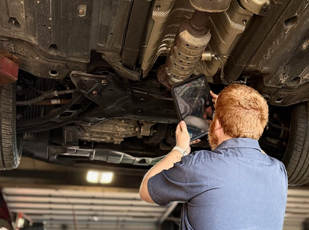
We inspect manifolds, gaskets, flex pipes, joints, clamps, hangers, and soot marks to locate and repair exhaust leaks.
Sensor Testing
We test differential pressure sensors, exhaust temperature sensors, NOx sensors, oxygen sensors, wiring, and connectors as equipped.
Aftertreatment Diagnostics
We inspect the full system and related engine conditions that can increase soot load or cause repeat exhaust faults.
Common DPF & Exhaust Problems We Diagnose
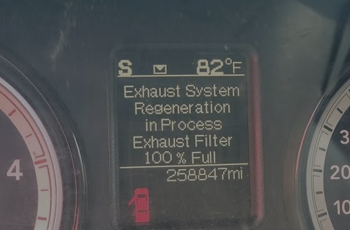
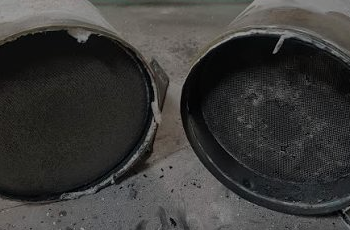
These symptoms can point to DPF restriction, failed regeneration, sensor faults, exhaust leaks, or upstream engine performance issues.
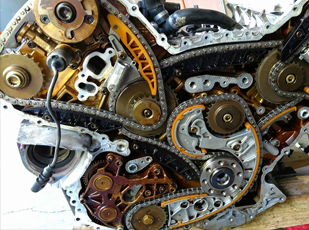
Why DPF Problems Often Start Somewhere Else
The DPF captures soot, but soot production is affected by the whole engine and exhaust system. Boost leaks, EGR problems, injector or fuel concerns, low operating temperature, exhaust leaks, or failed sensors can all cause the DPF system to struggle.
That is why we test before replacing parts. We may review scan data, soot load, regen status, differential pressure readings, exhaust temperature data, sensor response, exhaust leaks, and related drivability information to identify the true cause.
DPF & Exhaust FAQs
Can I keep driving with a DPF light on?
It depends. Some warnings indicate the filter is loading and a regen is needed, while others indicate a fault that can lead to limp mode. If the light is flashing, power is reduced, or warning messages appear, schedule service soon.
Why does my diesel regen so often?
Frequent regens can happen when soot load builds quickly. Common causes include excessive idling, repeated short trips, exhaust leaks, failed sensors, EGR issues, turbo or boost problems, or engine performance concerns that increase soot.
Can you fix a DPF problem without replacing the filter?
Often, yes. If the concern is caused by sensors, wiring, exhaust leaks, EGR issues, boost problems, or operating conditions, fixing the root cause may solve the problem without replacing the DPF.
Why does my truck smell like exhaust inside the cab?
This is often an exhaust leak near the engine bay or under the vehicle where fumes can be pulled into the cabin. Exhaust fumes are a safety concern, so schedule an inspection promptly.
What causes limp mode with exhaust system codes?
Limp mode can be triggered when soot load is high, regeneration fails, or sensors detect abnormal readings. Differential pressure sensor faults, temperature sensor problems, exhaust leaks, DEF system issues, or restriction can all contribute.
Need DPF or Exhaust Service in Angola, IN?
Call us at (260) 665-5165 or request an appointment online. We will diagnose first, then recommend the right DPF, exhaust, or aftertreatment repair for your vehicle.