Electrical Problems Need Testing, Not Parts Swapping
If you are dealing with a no-start, repeated dead batteries, flickering lights, blown fuses, warning lights, or intermittent electrical issues, the right repair starts with accurate diagnosis.
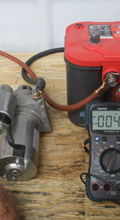
At Lonsbury Garage in Angola, Indiana, we test the circuit before recommending parts. Our team checks power, ground, voltage drop, current draw, scan data, wiring, connectors, modules, and charging system performance to isolate the root cause and verify the repair.
Electrical Diagnostic Services We Offer
We diagnose no-starts, battery drains, charging faults, wiring damage, sensor circuits, warning lights, and module communication problems.
No-Start Diagnosis
We test battery condition, starter circuits, control signals, security status, crank signals, and power/ground paths.
Battery Drain Testing
We measure key-off current draw, verify modules go to sleep, and isolate the circuit causing overnight battery drain.
Charging System Diagnostics
We test alternator output, belt condition, battery sensors, control circuits, and voltage stability under real electrical loads.
Power & Ground Testing
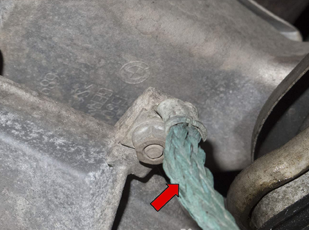
Voltage drop testing helps reveal weak grounds, poor connections, damaged cables, and high-resistance circuit faults.
Wiring & Connector Repair
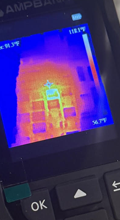
We locate corrosion, loose pins, terminal tension problems, rodent damage, water intrusion, and previous repair issues.
Module Communication Diagnosis
We troubleshoot U-codes, CAN/LIN communication faults, module wake/sleep behavior, sensor circuits, and scan data issues.
Common Electrical Concerns We Diagnose
Electrical problems often appear random, but proper testing can usually narrow the issue to a circuit, module, connector, or component.
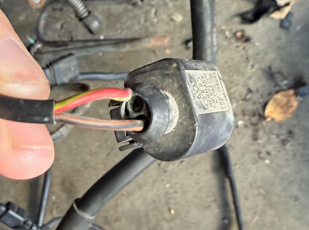
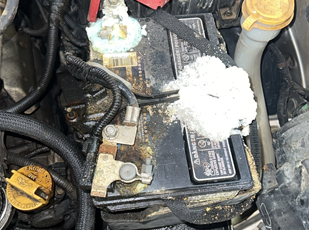
How We Track Down Electrical Faults
Electrical diagnosis starts by confirming the symptom and testing the circuit under the right conditions. We may use scan data, voltage drop testing, continuity checks, load testing, current draw testing, wiring diagrams, and component command tests to isolate the failure.
That process matters because many electrical parts are expensive, and replacing parts without testing can miss the real issue. We verify what failed, explain why it matters, and confirm the repair before the vehicle leaves.
Electrical Diagnostic FAQs
Why does my battery keep dying?
It may be a weak battery, charging system problem, poor connection, or parasitic draw. The right fix depends on testing battery health, alternator output, and key-off current draw.
Can you find a parasitic battery drain?
Yes. We test key-off current draw, verify modules go to sleep, and isolate the source using scan data, fuses, circuit testing, and wiring diagrams.
Is it safe to drive with the battery light on?
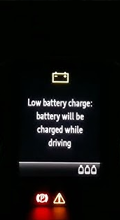
Not for long. A charging system fault can lead to stalling and a no-restart once voltage drops. If the battery light is on, schedule service soon.
Why do my electrical problems come and go?
Intermittent faults are often caused by loose or corroded connections, weak grounds, damaged wiring, water intrusion, terminal tension problems, or failing modules.
Why is my battery light on after replacing the battery?
The battery light usually points to charging system operation, not just the battery itself. The issue may be alternator output, wiring, poor grounds, belt problems, a battery sensor, or charging control strategy.
Need Electrical Diagnostics in Angola, IN?
Call us at (260) 665-5165 or request an appointment online. We will test first, identify the circuit or component causing the issue, and recommend the right repair.